80 years
of independence
but…
What does freedom
look like today?
India
Independence
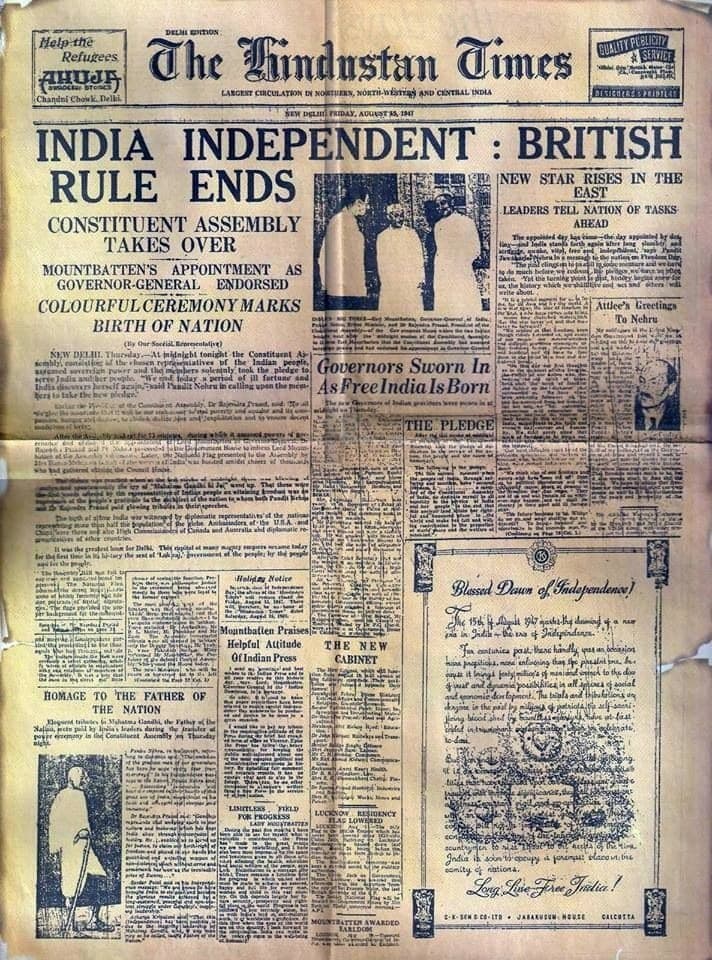
At midnight on 15 August, India becomes a sovereign nation after nearly two centuries of British colonial rule. Partition, the same year, displaces an estimated 10–15 million people across the new India–Pakistan border.
Source: National Archives of India; Partition Museum, Amritsar
The Constitution
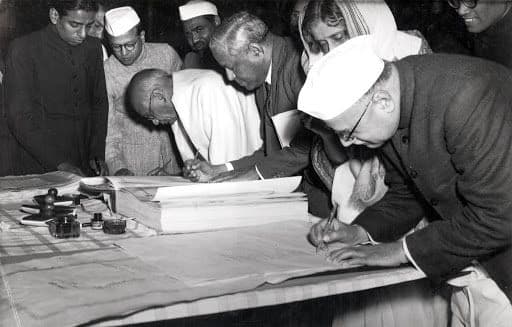
The Constitution of India comes into force on 26 January, drafted over nearly three years under the chairmanship of Dr. B. R. Ambedkar. India becomes a sovereign, democratic republic.
Source: Constituent Assembly records; Digital Sansad
First general election
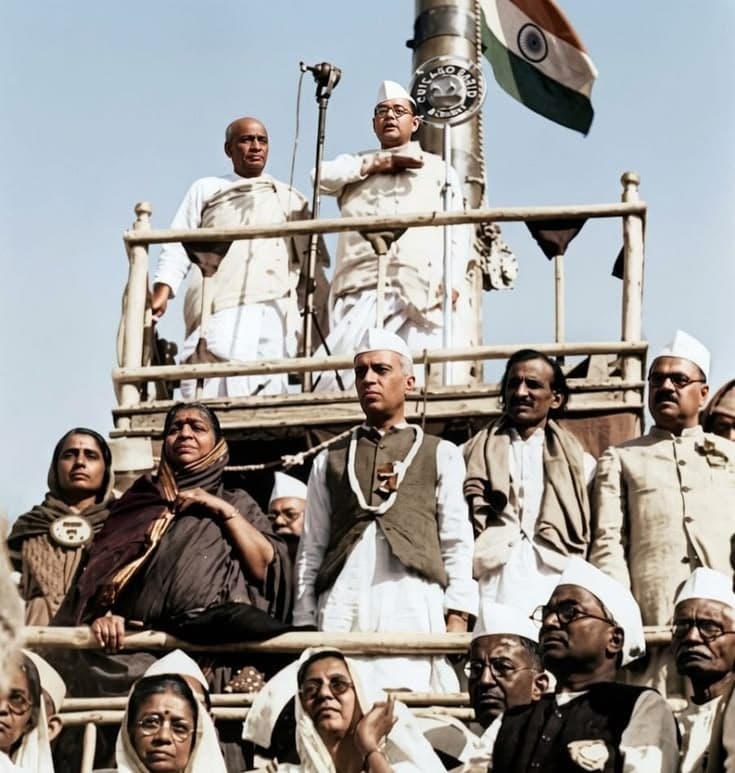
India holds its first general election under universal adult suffrage — the largest exercise of democratic franchise attempted anywhere in the world up to that point, with roughly 176 million eligible voters.
Source: Election Commission of India, historical records
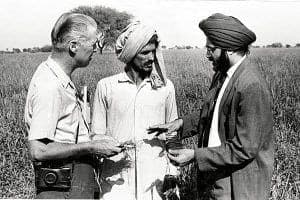
Green Revolution
High-yield seed varieties, irrigation and fertiliser investment transform Punjab, Haryana and western Uttar Pradesh from food-deficit to food-surplus regions, reshaping India's agrarian economy — and its regional politics.
Source: Indian Council of Agricultural Research, historical record
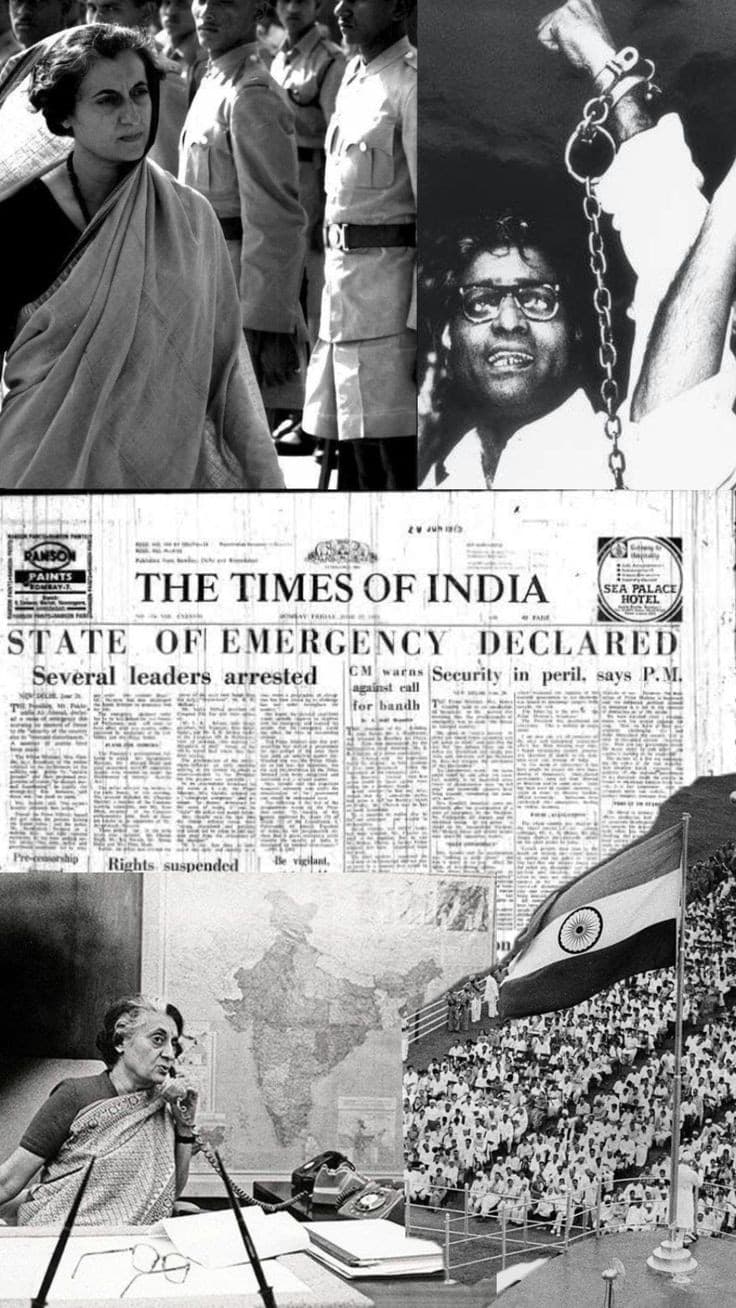
The Emergency
A 21-month state of emergency suspends elections and key civil liberties; press censorship is imposed and opposition leaders are detained. It remains the most-cited case study in Indian civics on the fragility of democratic guardrails.
Source: Shah Commission of Inquiry report, 1978

Economic liberalisation
Facing a balance-of-payments crisis, the government opens the economy — dismantling licensing controls, welcoming foreign investment and devaluing the rupee. It marks the start of three decades of accelerated growth alongside widening inequality.
Source: Reserve Bank of India, historical record
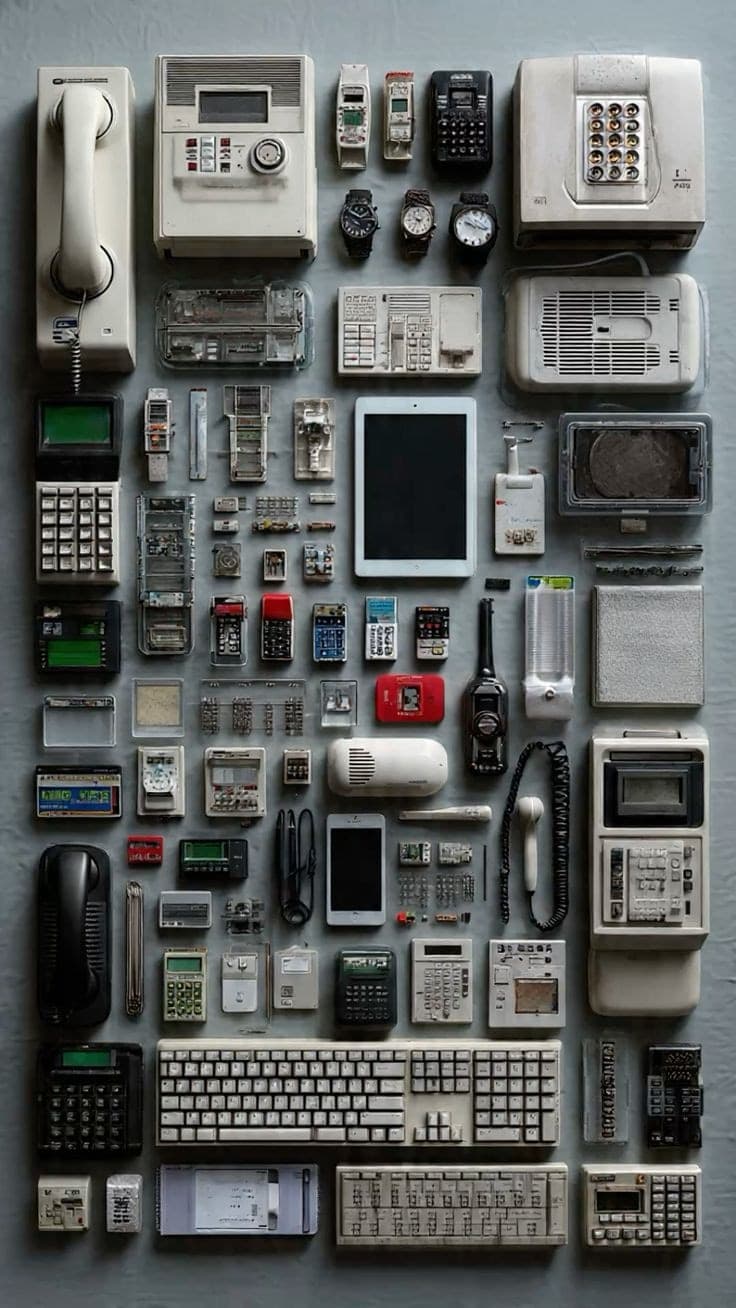
The IT decade
Bengaluru, Hyderabad and Pune become global technology-services hubs. Mobile telephony expands faster than fixed-line infrastructure ever had, reaching hundreds of millions of first-time phone owners.
Source: Ministry of Electronics & IT, historical record

UPI launches
The Unified Payments Interface goes live, eventually making India home to one of the largest real-time digital payment systems in the world — reshaping commerce from street vendors to e-commerce.
Source: National Payments Corporation of India
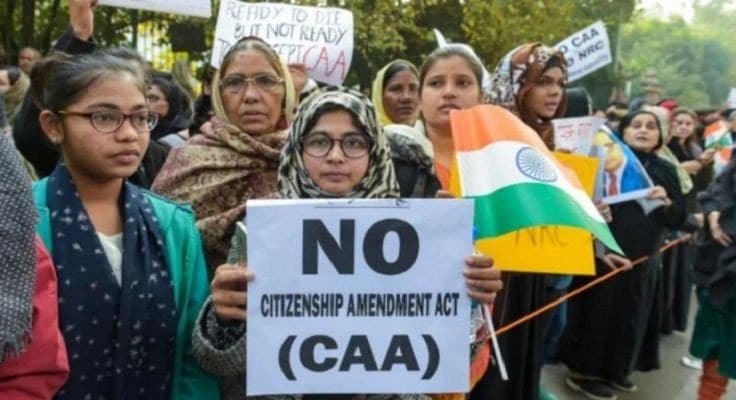
CAA–NRC protests
The Citizenship Amendment Act triggers nationwide protests and sit-ins — most visibly the women-led Shaheen Bagh sit-in in Delhi — over concerns about religious criteria in citizenship law. Documented in the civic chapter below.
Source: Wire-service and national press reporting, Dec 2019 – Mar 2020
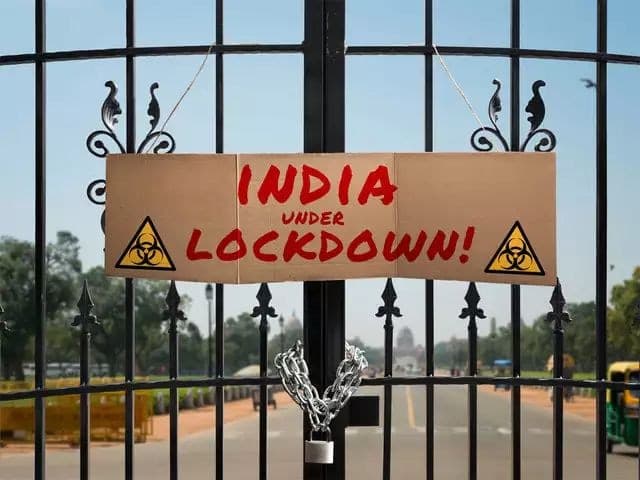
COVID-19 lockdown
A nationwide lockdown beginning 25 March triggers one of the largest internal migrations in independent India's history, as tens of millions of informal-sector workers walk or travel home from cities.
Source: Ministry of Home Affairs orders, March 2020
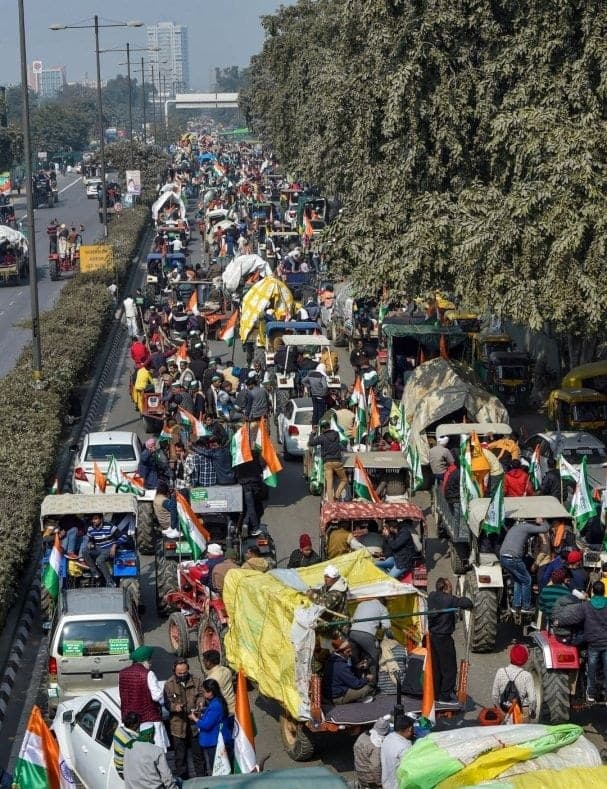
Farmers' protests
Farmer unions, concentrated in Punjab and Haryana, camp for over a year at Delhi's borders opposing three farm laws. The laws are repealed by Parliament in November–December 2021. Documented in the civic chapter below.
Source: PRS Legislative Research; Wikipedia, '2020–2021 Indian farmers' protest'
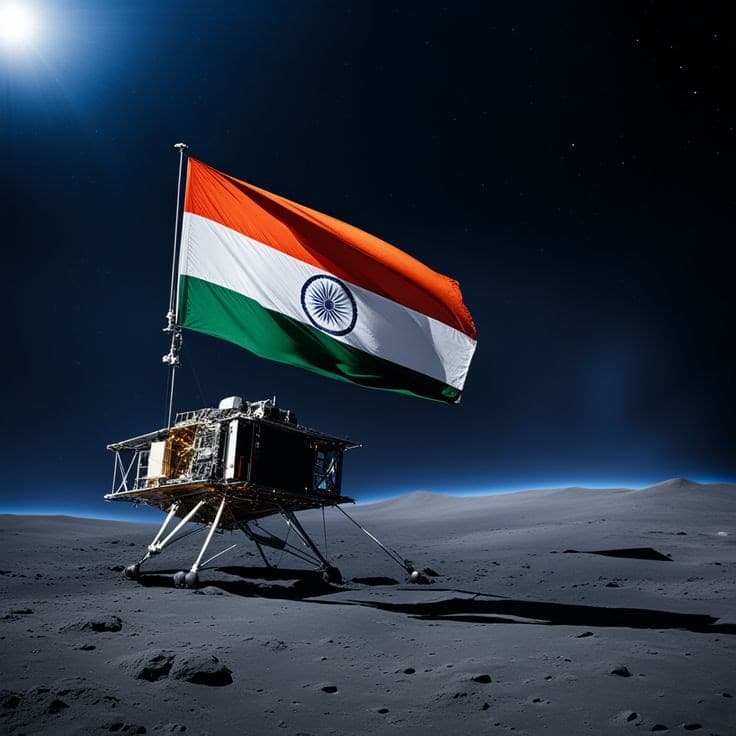
Chandrayaan-3
India's lander touches down near the lunar south pole on 23 August, making it the first country to land near that region of the Moon.
Source: ISRO; NASA Science mission page
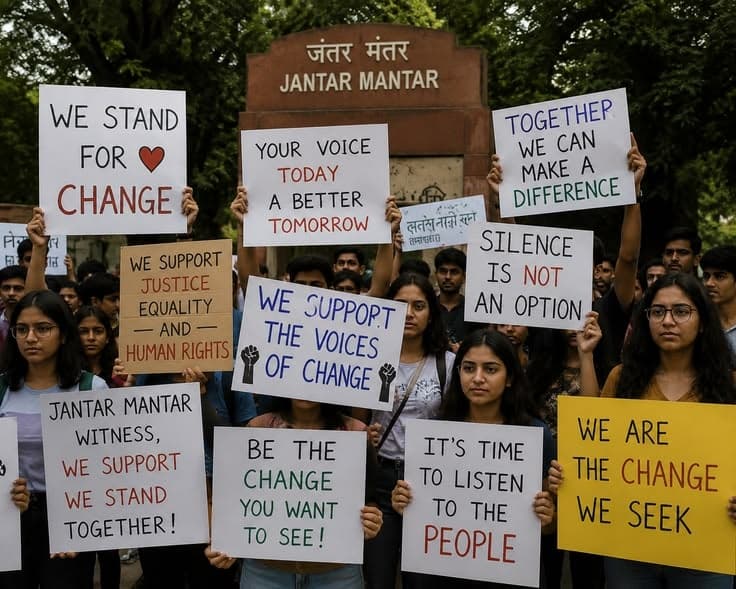
The 'Cockroach' protests
A Gen Z-led movement over exam-system failures ends with a minister's resignation. Documented in full in the civic chapter below.
Source: Al Jazeera; NPR; CNN; Britannica
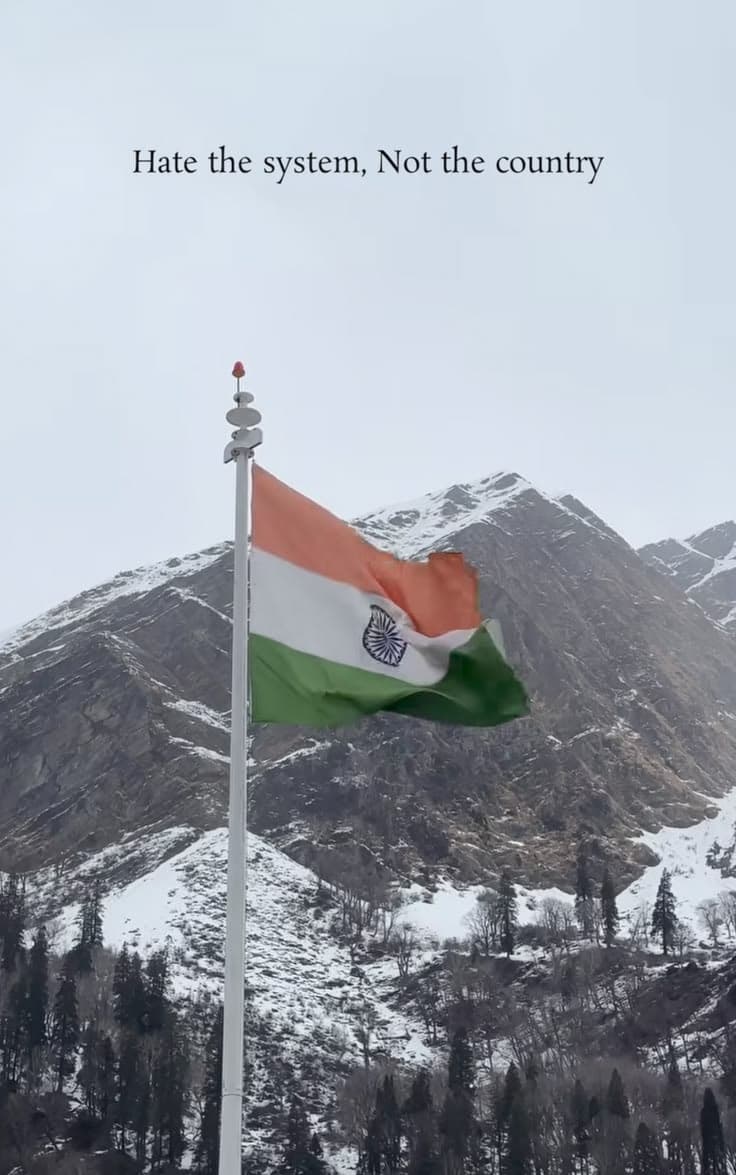
India at 80
80 years since independence. The story is not finished — it is still being written by 1.4 billion people, in Parliament, in courtrooms, on farms, on phones, and in the streets.
Source: —
Don’t worry.
Gen Z will remember.
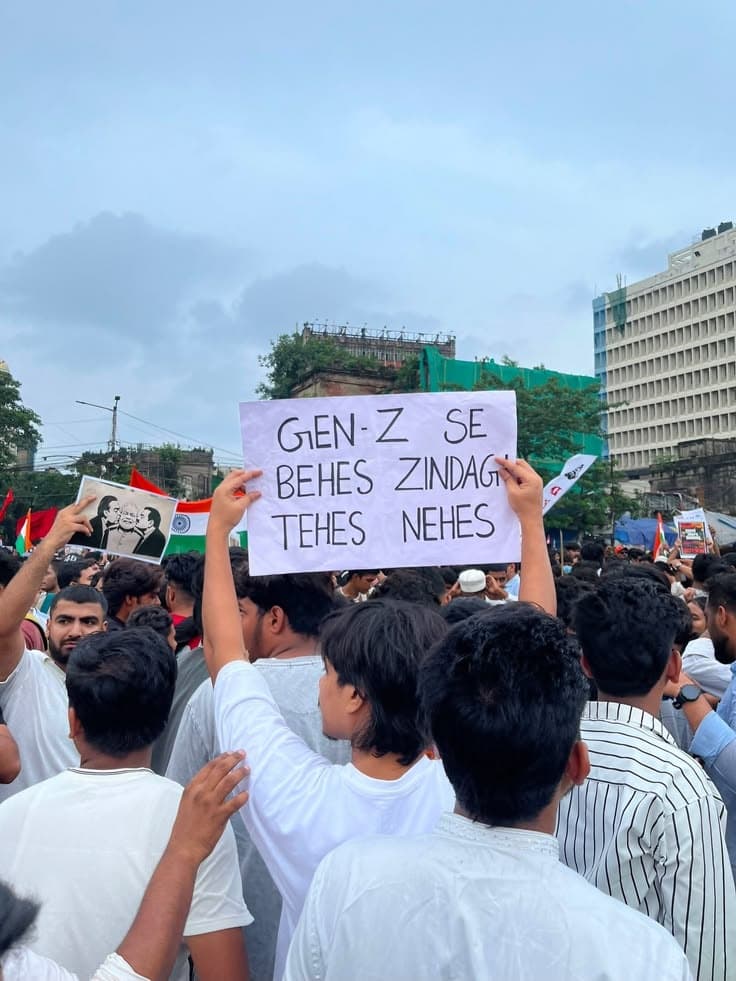
“Gen-Z se behes, zindagi tehes nehes”
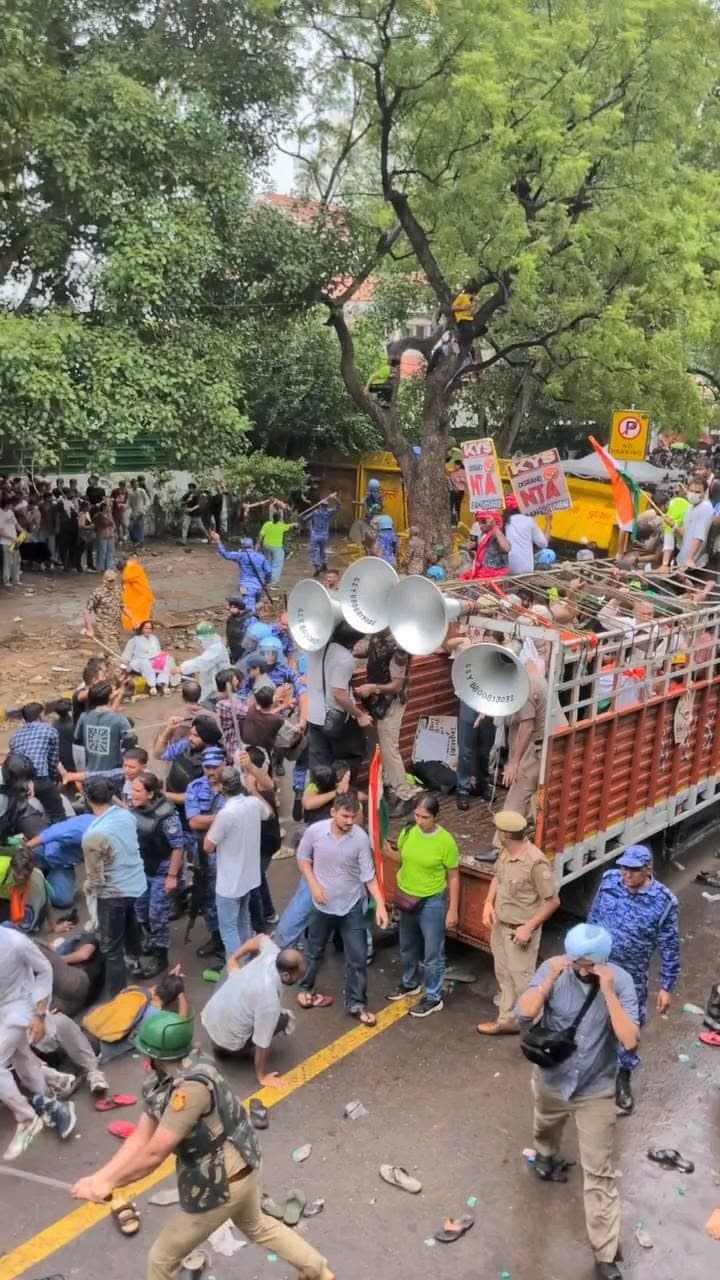
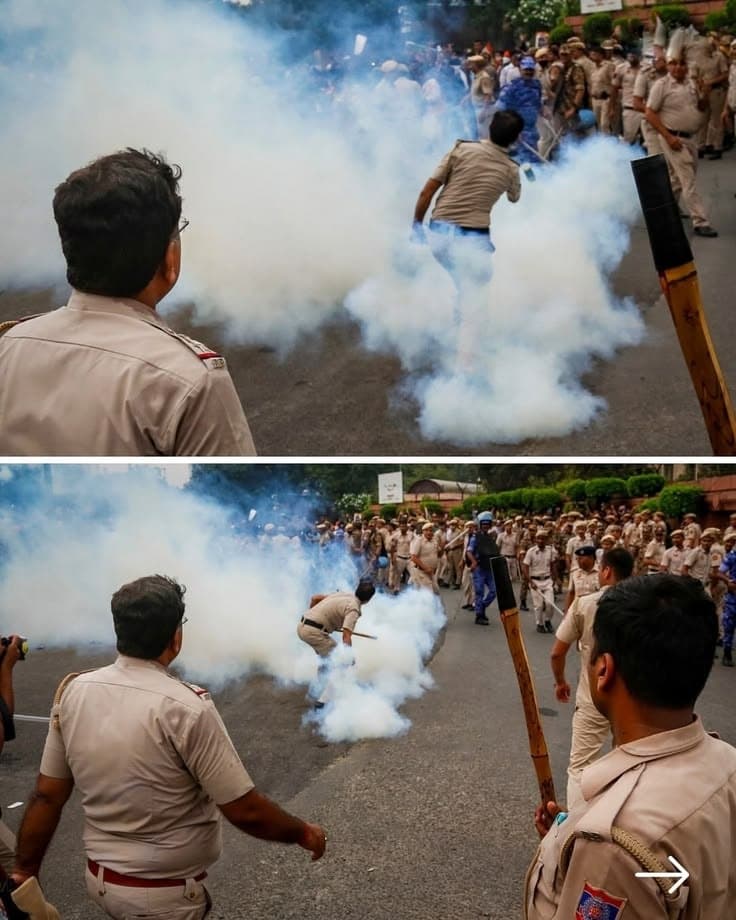
An alleged leak of questions for NEET, India's national medical-college entrance exam, and the decision to scrap the results. What began as an exam-integrity dispute widened into a youth movement over accountability in India's exam system, led by the group Cockroach Janta Party (CJP) — its name drawn from a dismissive remark about unemployed youth. Educator and activist Sonam Wangchuk joined as a prominent supporter and began a hunger strike in solidarity.
“Young generation is here. This is a win for the constitution.”
— Tluanga Ralte, protester, quoted by Al Jazeera
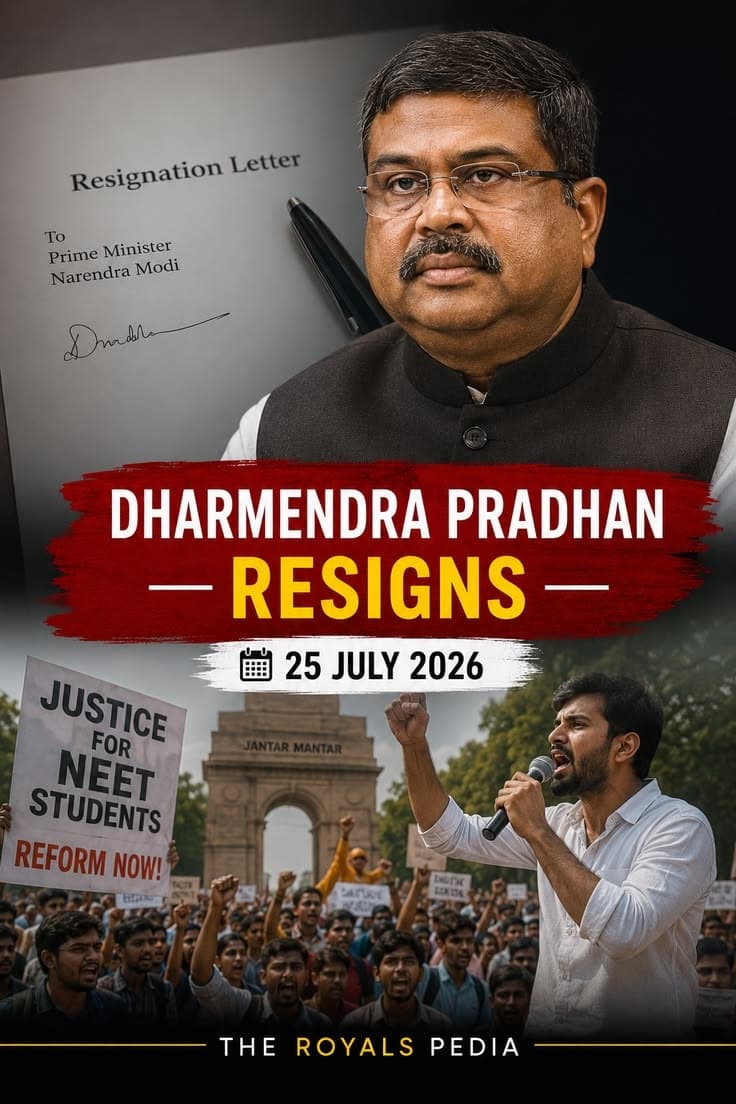
Pradhan resigned on 25 July 2026 — the first cabinet resignation of Prime Minister Narendra Modi's twelve years in office — and was succeeded by Pralhad Joshi. The government agreed to compensate the affected families. In his resignation letter, posted to X, Pradhan said he was stepping down so students' anger could not be 'exploited by anti-national forces.' CJP ended its nationwide protests once the resignation was confirmed.
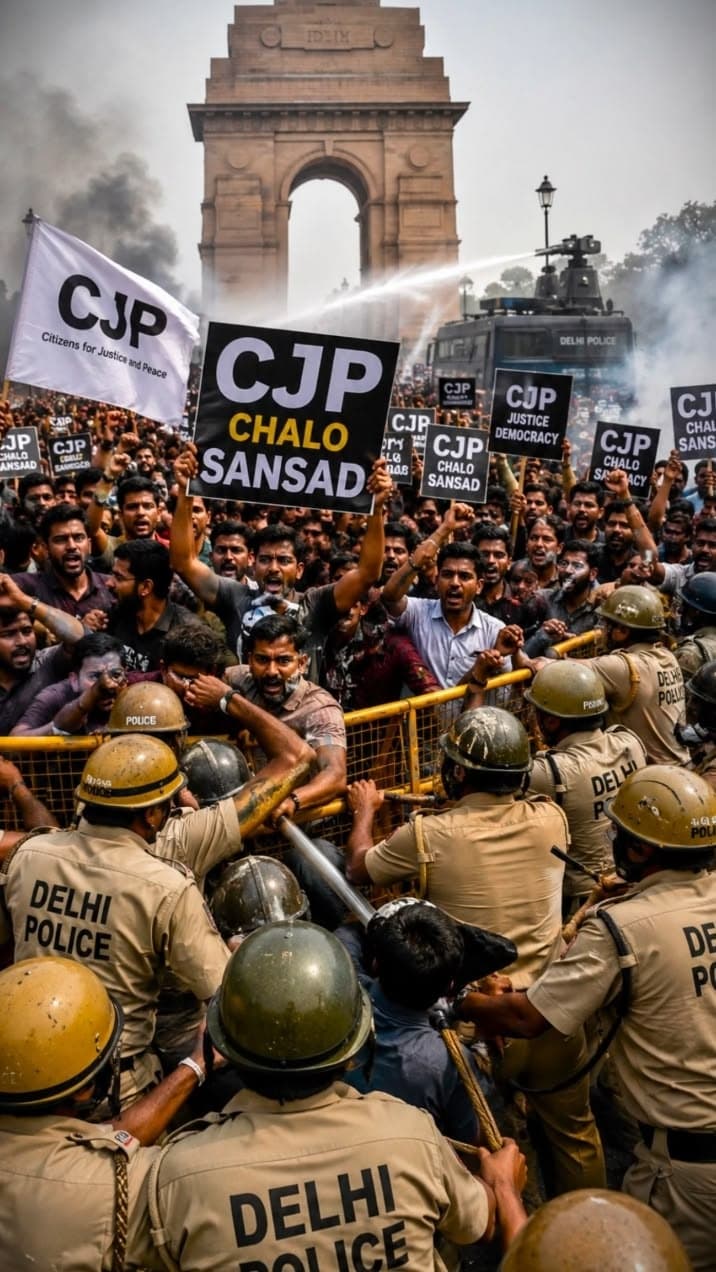
4 sources, linked in the civic chapter above.
Independence was never just a date.
India in colour is not one style. It’s hundreds, layered.
Block-print geometry
Repeat-stamped motifs, in the spirit of Ajrakh block printing
Lattice / jali
Pierced-stone screen geometry, common to jharokha architecture
Stepped tiers
Rhythmic tiering, echoing South Indian temple gopuram profiles
Field & furrow
Linework tracing agrarian field patterns across the plains
Woven grid
Warp-and-weft structure, the logic beneath every handloom textile
Manuscript rule
Border rules and margins, drawn from illuminated manuscript pages
A statistic is just a road that hasn’t been drawn yet.
A functioning democracy argues with itself
When people say no.
Six documented civic movements from independent India’s history, spanning 1975 to 2026. Tap a point on the map for location, dates, stated demands, and the response that followed — with sources.
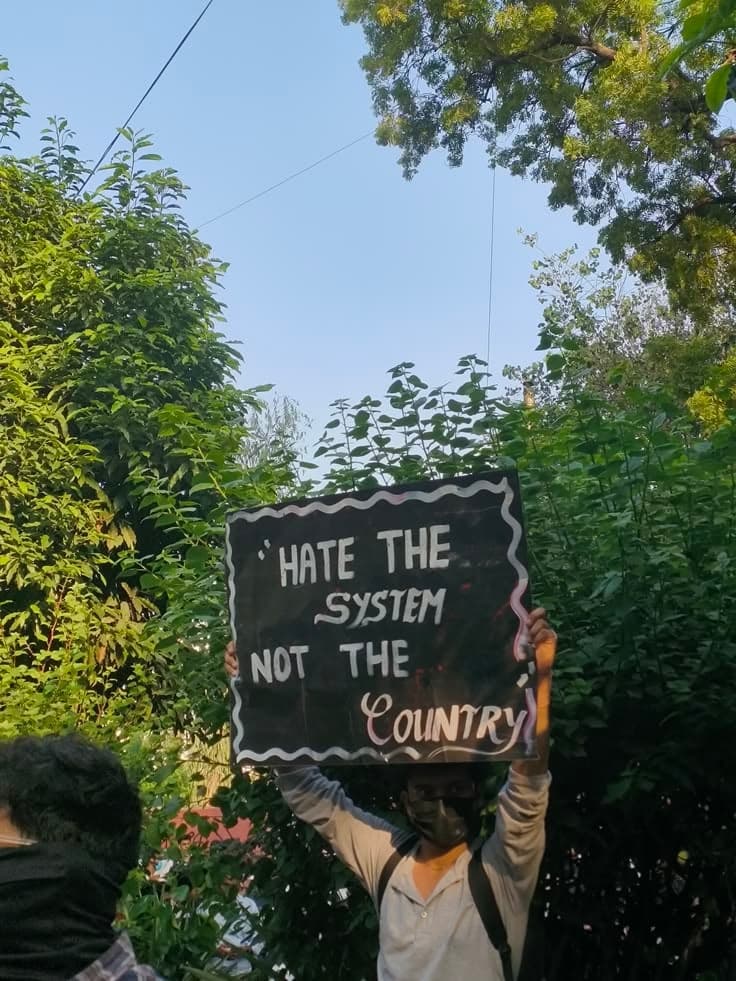
Hate the system, not the country.
The beauty of India.
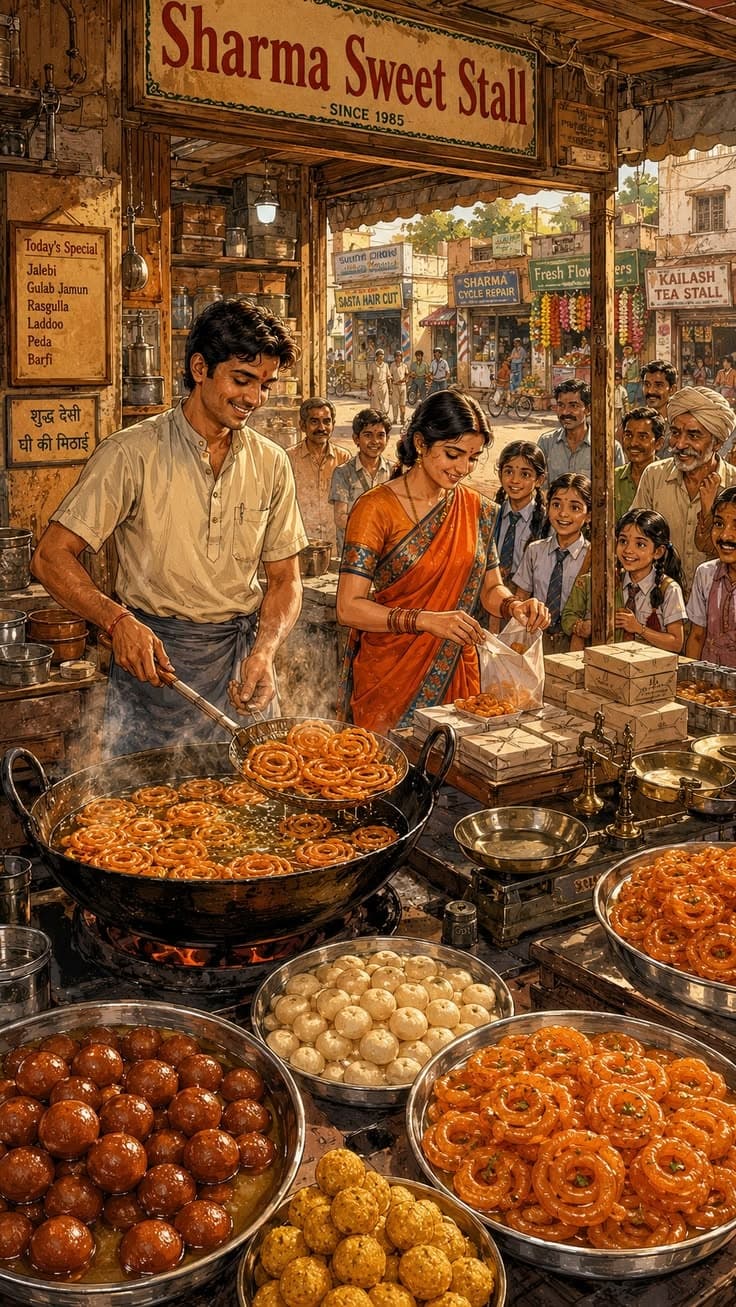
Sweets & street food — awaiting photograph
Sweets & street food
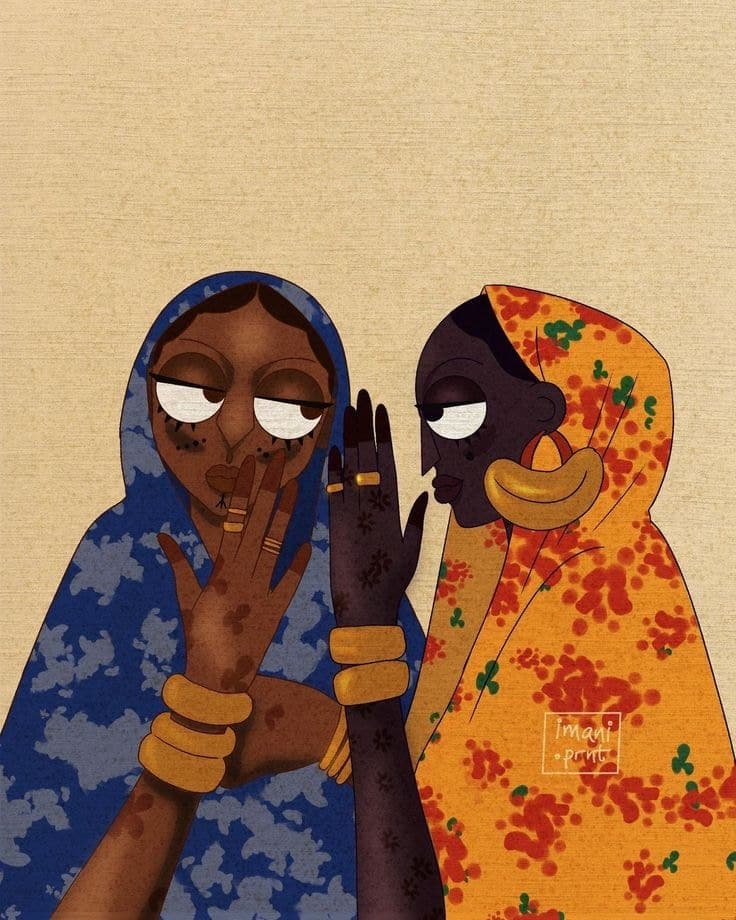
Cinema & fashion — awaiting photograph
Cinema & fashion
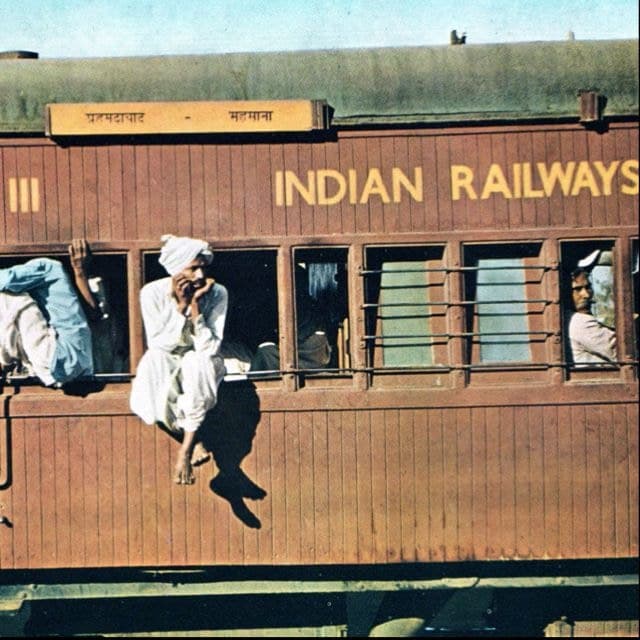
Everyday travel — awaiting photograph
Everyday travel
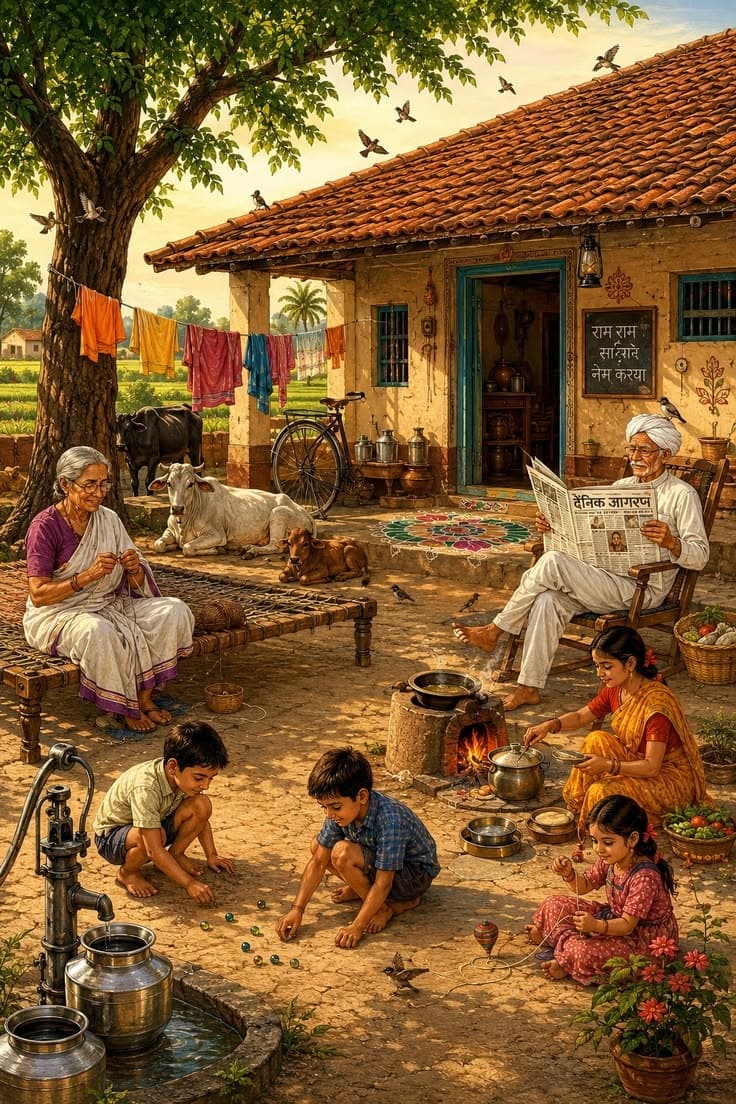
Village life — awaiting photograph
Village life
If independence means the freedom to speak…
who gets heard?
If independence means equality…
who is still waiting?
If independence means dignity…
what remains unfinished?
What should India become?
Not just bigger.
Not just richer.
Better to live in.
A better everyday India.
- Cleaner cities.
- Reliable public transport.
- Homes people can actually afford.
- Digital services that just work.
What if progress meant making everyday life easier?
A healthier India.
- Clean air.
- Enough water.
- Quality healthcare closer to home.
- AI that gives people more time — not less.
What if technology finally gave us time back?
An India that powers itself.
- Solar rooftops.
- Electric mobility.
- Clean energy.
- Less dependence on the world.
What would true energy independence feel like?
An India that doesn't leave anyone behind.
- Farmers adapting to a changing climate.
- Cities built for people.
- Villages connected to opportunity.
- Every state growing in its own way.
Can a billion dreams still move forward together?
An India worth inheriting.
- Every child educated.
- Rivers alive.
- Forests protected.
- Factories that don't cost us the planet.
What will we leave for the people who come after us?
A life we haven't imagined yet.
- Longer, healthier lives.
- Almost nothing wasted.
- New discoveries.
- An India helping shape the world beyond Earth.
What will our grandchildren call ordinary?
UNWRITTEN.
Because the India of 2100
hasn’t been decided yet.
Maybe you’re the one who writes it. 🇮🇳
Happy 80th Independence Day
15 August 2026
Freedom was never meant to be a finished story. It is something every generation inherits, questions, protects and reimagines.